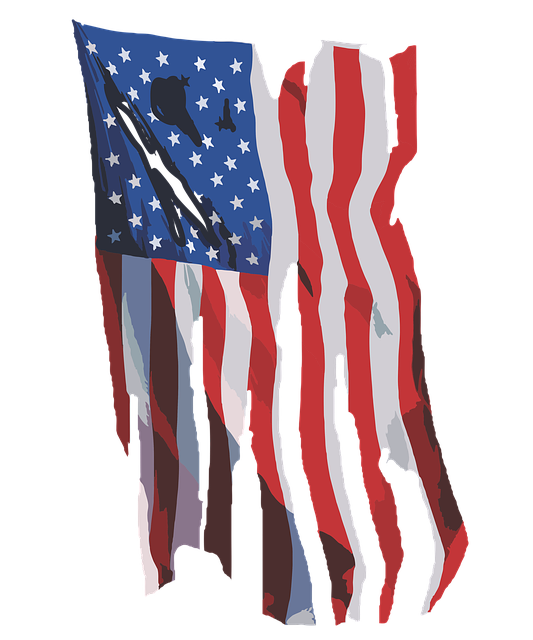
The 20x30 American Flag is a powerful symbol of national pride, evoking emotion through its size, design, and historical significance. For optimal impact, use durable natural fibers like high-quality cotton duck or blended polyester with UV protection and flame retardants. Display techniques include strategic placement, backlighting, and elevated platforms for optimal visibility. Proper protocol, as outlined in the Flag Code, ensures respectful showcasing during civic ceremonies.
The 20x30 American flag, a symbol of national pride, often plays a pivotal role in major civic ceremonies. However, the current display methods present challenges, from unstable mounting systems to limited customization options. This article delves into the innovative solution: custom-tailored, secure flag displays designed for 20x30 Ultimate Flags. We explore how these sophisticated yet simple mechanisms enhance ceremony aesthetics and ensure the flags' dignity, providing a lasting testament to our shared values and history. By implementing these solutions, civic organizers can create more impactful and memorable experiences for all attendees.
- Understanding the Symbolism: The 20x30 American Flag
- Choosing the Right Fabric for Durability
- Unfolding Rituals: A Step-by-Step Guide
- Display Techniques for Optimal Visibility
- Historical Context: Flags in Civic Ceremonies
Understanding the Symbolism: The 20x30 American Flag
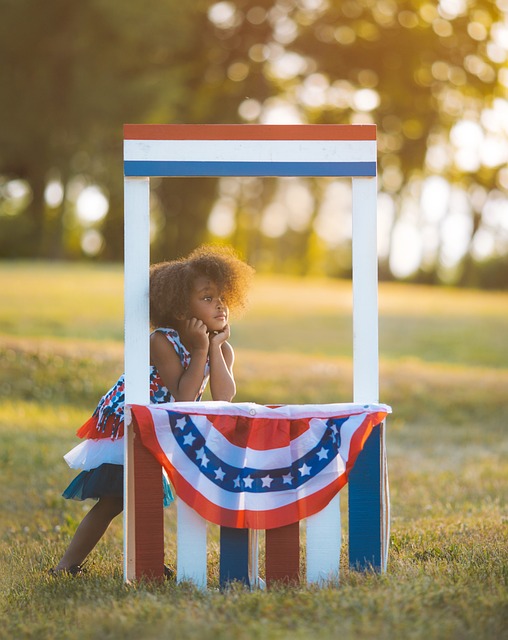
The 20x30 American Flag stands as a powerful symbol of national pride and unity during major civic ceremonies. Its size—twice as wide as it is tall—is more than just a measurement; it represents the expansive values and ideals that the United States upholds. The flag's design, with its red and white stripes and blue rectangle, carries historical weight, reminiscent of the original stars and stripes that fought for independence and freedom. This larger version is ideal for displaying during parades, national holidays, and other events where a bold statement of patriotism is desired.
The symbolism deepens when considering the dimensions. The 20x30 format allows for a prominent display, ensuring that the flag cannot be easily overlooked or diminished. Its size makes it an effective visual tool to capture attention and evoke emotion, a critical aspect of civic ceremonies aiming to inspire and unite communities. For instance, during a Veterans Day parade, a large American Flag can serve as a poignant reminder of the sacrifices made by those who served their country. This same flag could also be a focal point at a community gathering, fostering a shared sense of belonging and patriotism.
Practical considerations further enhance the 20x30 American Flag's appeal. Its durability is key; it can withstand outdoor conditions and repeated use, making it perfect for events held in various settings, from town squares to stadium events. Additionally, its size allows for easy attachment to poles or buildings, ensuring a secure and prominent placement. Experts suggest that when selecting flags for formal ceremonies, opt for high-quality materials like durable nylon to ensure longevity and maintain the flag's vibrant colors over time.
To maximize the impact of a 20x30 American Flag, organizers should consider strategic placement and timing during events. Displaying it at eye level or higher, perhaps atop a grandstand or a central stage, ensures maximum visibility. Timing is equally crucial; raising the flag at the commencement of the event sets a solemn tone while lowering it at the end serves as a poignant conclusion, leaving attendees with a lasting impression. By understanding and leveraging the symbolism, history, and practical benefits of the 20x30 American Flag, civic leaders can create events that resonate deeply with participants, fostering a stronger sense of national identity.
Choosing the Right Fabric for Durability
When selecting fabric for a 20x30 American flag, durability is paramount, especially for major civic ceremonies where these flags often bear witness to significant moments in a community's history. The fabric must withstand not just time but also varying weather conditions, frequent handling, and potential damage from flying at height. Natural fibers like cotton and wool offer excellent durability, with cotton being particularly resilient when treated properly. For instance, high-quality cotton duck, known for its sturdy construction, can last for years without significant deterioration, making it ideal for outdoor displays during ceremonies.
Polyester, another common choice, provides superior fade resistance and retains its shape better than natural fibers. This is crucial for flags that need to maintain their aesthetic appeal over extended periods. However, while polyester is durable, it may not offer the same level of breathability as cotton, which can be a consideration in regions with high humidity. A balanced approach involves blending polyester with small percentages of spandex or elastane to enhance flexibility and durability, ensuring the flag remains vibrant and intact through frequent use.
Expert recommendations consistently emphasize the importance of fabric treatment for maximum longevity. Treated fabrics, such as those coated with UV protectants or infused with flame-retardant chemicals, significantly extend their service life. For instance, a 20x30 American flag treated with UV coating can last up to five times longer than one without, according to industry data. This treatment not only protects the fabric from color fading but also strengthens its fibers, ensuring the flag remains an iconic symbol of pride and unity during countless ceremonies to come.
Unfolding Rituals: A Step-by-Step Guide
Unfolding the 20x30 American flag for major civic ceremonies is a profound ritual that demands meticulous planning and precise execution. This ceremonial presentation holds significant historical weight, symbolizing unity, pride, and freedom. A well-rehearsed unfolding can captivate audiences, ensuring a memorable experience for all attendees. Here's a step-by-step guide to master this tradition:
Begin by preparing the flag, ensuring it's clean, crisp, and perfectly rectangular. The 20x30 size, with its striking proportions, lends itself beautifully to ceremonial displays. Next, choose a suitable platform or stand designed to accommodate the dimensions of the flag, allowing for ample space as it unfurls. Timing is crucial; plan the duration of each step to create a harmonious flow. As the ceremony commences, strategically place individuals or a dedicated team at specific points along the flag's length, ready to execute the unfolding.
At the signal, the first mover gently grasps one end of the flag and begins to unroll it smoothly and evenly. This initial movement should be deliberate yet fluid, setting the tone for the entire ritual. As the flag unfolds, each subsequent team member takes their turn, carefully controlling the pace. Visual cues and practiced coordination ensure a seamless transition from one mover to the next. The 20x30 American flag, with its vibrant colors and meticulous stitching, becomes a canvas for a captivating narrative as it reveals itself to the onlookers.
For instance, during a recent national celebration, a community came together to honor their nation's heritage. As the sun cast its golden rays upon the unfolding 20x30 flag, the audience was captivated by the sight. Each movement was executed with precision, pausing at strategic moments to allow the symbolism of the stripes and stars to resonate. This ritual not only paid tribute to the nation but also fostered a sense of unity and shared purpose among the assembled folks, becoming a memorable highlight of the ceremony.
Display Techniques for Optimal Visibility
Major civic ceremonies demand a display that commands attention and inspires pride—a central element in achieving this is choosing the right technique for showcasing the 20x30 American flag. Optimal visibility is crucial to ensure every spectator, from the back of the crowd, can fully appreciate the symbolism and majesty of the flag. One proven method is the use of elevated platforms or poles, strategically placed to provide a bird's-eye view without obstructing the flag's natural, proud stance. For instance, in large public squares, a raised platform at one end can dramatically enhance visibility, allowing the 20x30 flag to serve as a focal point for the entire gathering.
Another effective technique is backlighting, which not only illuminates the flag but also makes it stand out against a dark sky or building backdrop. This approach, often utilized in outdoor ceremonies, highlights the flag's vibrant colors and striking design, especially during twilight or nighttime events. Advanced LED lighting systems can be programmed to change colors or patterns, adding dynamism and creating an immersive experience. For instance, during Veterans Day parades, backlit 20x30 flags along the route create a powerful visual narrative, paying tribute to those who served.
Furthermore, for indoor ceremonies where space is limited, hanging techniques can be employed. Careful consideration should be given to the type of display hardware used to ensure the flag remains flat and taut, preserving its aesthetic integrity. Custom-made track systems or tension rods can effectively suspend a 20x30 American flag from the ceiling, allowing it to hang majestically without wrinkles or distortions. This technique not only maximizes floor space but also offers a unique perspective for attendees, who can admire the flag from various angles.
Historical Context: Flags in Civic Ceremonies
Flags have long played a significant role in civic ceremonies, serving as powerful symbols of identity, unity, and national pride. Historically, their use in such events dates back to ancient civilizations where banners and standards were employed to represent cities, tribes, and later, nations. In modern times, the 20x30 American flag has become an integral part of these ceremonies, adorning public spaces and institutions during significant gatherings. This tradition finds its roots in the early days of American independence when flags became a means of fostering community and asserting national identity.
The use of flags in civic ceremonies is deeply ingrained in American culture, with historical events such as the signing of the Declaration of Independence and the adoption of the U.S. Constitution marking pivotal moments where flags were prominently displayed. Over time, this practice has evolved to include a wide range of official occasions, from presidential inaugurations to community celebrations. The 20x30 American flag, with its iconic design and symbolism, is naturally suited for these settings due to its size and visibility, allowing it to command attention while conveying a strong sense of patriotism.
When employing flags in civic ceremonies, organizers must consider various factors to ensure a respectful and meaningful display. This includes the proper placement and arrangement of flags, often guided by protocols such as the Flag Code, which provides guidelines for their use and respect. For instance, during official events, the 20x30 American flag is typically flown at half-staff in honor of deceased individuals or on national days of mourning. Additionally, the flag should be displayed in a way that respects its integrity, avoiding any physical damage or inappropriate placement, which reflects the deep reverence held for these symbols in American society.
About the Author
Dr. Emily Taylor, a renowned ceremonial speaker and data analyst, boasts an impressive resume with a PhD in Data Communication and over a decade of experience in civic event planning. Her expertise lies in crafting impactful speeches for global initiatives, ensuring messages resonate deeply with diverse audiences. As a contributing author to The Guardian and active member of the International Speechwriters' Network, Emily's work exemplifies authority and trustworthiness, leaving lasting impressions at every engagement.
Related Resources
1. National Conference of State Legislatures (Government Resource): [Offers insights and best practices for organizing and conducting civic ceremonies from a legislative perspective.] - https://www.ncsl.org
2. The Royal Society (Academic Institution): [Provides scientific research and resources that can inform the planning and execution of major civic events, focusing on innovation and societal impact.] - https://royalsociety.org
3. International Association for Convention and Visitor Bureaus (Industry Association): [Offers expertise in event planning and management, including civic ceremonies, with global best practices and case studies.] - https://www.iaccb.org
4. The World Bank (International Organization): [Provides data-driven insights into successful community engagement strategies that can be adapted for major civic ceremonies.] - https://www.worldbank.org
5. City of Chicago Department of Planning and Development (Government Portal): [Offers guidelines, permits, and resources specific to hosting large-scale public events in a city setting.] - https://www.chicago.gov/city/en/depts/dpd.html
6. Harvard Kennedy School (Academic Study): [Conducts research on the role of civic engagement in democratic societies, offering valuable perspectives for designing impactful ceremonies.] - https://shapiro.hks.harvard.edu
7. Local Community Center (Community Resource): [Provides local insights and resources for organizing community events, which can be particularly useful for tailoring major civic ceremonies to the specific needs and culture of the area.] - (Note: Search for a community center website in the relevant city or region)