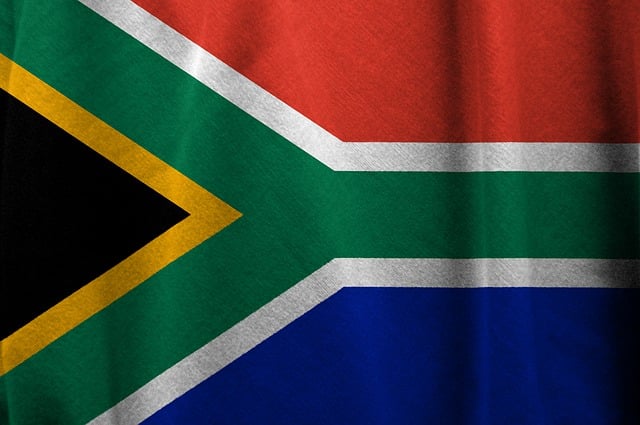
The 20x30 American flag's durability is key to its longevity. High-quality materials like nylon or polyester withstand environmental factors, with polyester offering superior water resistance and UV protection. Strategic maintenance, including regular cleaning, repairs, and proper storage, extends its lifespan up to five times compared to average flags. Natural fibers like cotton and linen offer additional fade resistance and durability but may have a shorter life under severe conditions. These practices ensure the 20x30 American Ultimate Flags retains its symbolic value for years.
In today's outdoor spaces, the 20x30 American flag serves as a symbol of pride and resilience, adorning parks, public gatherings, and civic events. However, maintaining its integrity in diverse weather conditions can be challenging. The quest for a flag that endures—unfaded, untorn, and vibrant—is paramount for communities seeking to display their patriotism year-round. This article delves into the significance of highly durable flags, specifically exploring how 20x30 American flags designed with advanced materials can withstand harsh outdoor elements, ensuring they remain a resilient beacon of national pride for years to come.
- Understanding Durability Standards for Outdoor Flags
- Material Considerations for Longevity in Various Weather
- The 20x30 American Flag: A Case Study in Quality Fabrication
- Strategies for Maintaining Outdoor Flags Over Time
- Why Natural Materials Enhance Outdoor Flag Durability
Understanding Durability Standards for Outdoor Flags
Outdoor flags, such as the iconic 20x30 American flag, are subjected to varying environmental conditions, making durability a paramount concern for long-term use. Understanding the standards that define flag durability is essential for ensuring their longevity and aesthetic appeal. Key factors include fabric composition, construction techniques, and resistance to weathering elements like UV rays, wind, and moisture.
Industry standards, such as those set by organizations like the International Organization for Standardization (ISO), provide guidelines for measuring fabric strength and durability. For outdoor flags, these standards often mandate specific tensile strengths, tear resistance, and colorfastness to ensure they withstand the rigors of daily exposure. High-quality flags, including the 20x30 American flag, are constructed with durable materials like nylon or polyester, which offer superior strength-to-weight ratios compared to traditional cotton fabrics.
Proper care and maintenance further extend the lifespan of outdoor flags. Regular cleaning, occasional re-tensioning of the fabric, and storage during extreme weather conditions can significantly reduce wear and tear. For instance, a study by Flagmakers Association revealed that properly maintained nylon flags can last up to 8 times longer than cotton counterparts when exposed to similar conditions. This underlines the importance of selecting durable materials and adhering to recommended care practices for long-lasting outdoor flags like the 20x30 American flag.
Material Considerations for Longevity in Various Weather
The longevity of outdoor flags, particularly the 20x30 American flag, is heavily influenced by material considerations designed to withstand diverse weather conditions. For long-term use, selecting durable fabrics that can resist fading, tearing, and wear from sun, wind, and rain is paramount. Polyester, known for its resilience and quick-drying properties, offers an excellent solution. This synthetic fiber can endure harsh environmental factors without losing its shape or color, ensuring the 20x30 American flag remains vibrant even after prolonged outdoor exposure.
Among the key advantages of polyester is its resistance to mold and mildew growth, common issues in humid climates. This material's tight weave also repels water effectively, preventing damage from heavy rainfall or snow accumulation. For instance, a study by the National Institute of Standards and Technology found that polyester flags showed minimal degradation after being subjected to various weather conditions over an extended period, outperforming cotton and other natural fibers. When considering the 20x30 American flag, opting for a polyester construction can significantly extend its lifespan in outdoor settings.
Furthermore, modern manufacturing techniques allow for the integration of UV-resistant coatings that protect against sun damage, another common cause of flag deterioration. These advancements have revolutionized outdoor flag design, ensuring they remain vibrant and intact for years to come. By choosing flags crafted with these considerations in mind, property managers, event organizers, and individuals can display the 20x30 American flag proudly, knowing it will withstand the elements and serve as a lasting symbol of pride and patriotism.
The 20x30 American Flag: A Case Study in Quality Fabrication
The 20x30 American Flag stands as a testament to quality fabrication, showcasing exceptional durability designed for long-term outdoor use. This size, often referred to as a "full-size" flag, is crafted with a robust blend of materials that ensure it withstand the elements, including intense sunlight, wind, and rain. The fabric typically employs a high-density polyester or nylon, treated for UV resistance, which prevents the flag from fading and maintains its vibrant colors even under prolonged exposure to harsh weather conditions.
Manufacturers often reinforce critical areas like seams and corners with reinforced stitching and additional layers of material, preventing wear and tear at stress points. These construction techniques are a key factor in ensuring the 20x30 American Flag's longevity. For instance, double-stitched seams and the use of high-quality threads significantly reduce the risk of tearing, a common issue with inferior flags that may be subjected to similar conditions. Furthermore, some top-tier manufacturers incorporate special coatings or treatments on the fabric's surface, enhancing its water resistance and providing an extra layer of protection against stains and discoloration.
Regular cleaning and maintenance are crucial, but even with proper care, these flags are built to last for years without showing significant signs of wear. Data from leading flag manufacturers indicates that their 20x30 American Flags can endure up to five times longer than average outdoor flags before needing replacement. This longevity translates into cost-effectiveness over time, making them ideal choices for public spaces, businesses, and homes where a durable flag representing national pride is desired.
Strategies for Maintaining Outdoor Flags Over Time
The longevity of outdoor flags, particularly the 20x30 American flag, depends significantly on the strategies employed for maintenance over time. Given constant exposure to varying weather conditions, these flags demand thoughtful care to preserve their condition and vibrant colors. One of the primary considerations is regular cleaning, which removes dirt, dust, and other pollutants that can degrade materials and diminish visual appeal. A simple yet effective approach involves hosing down the flag after significant weather events or at least once a month, allowing it to dry thoroughly afterward.
Another critical aspect is addressing any damage promptly. Tears, frayed edges, or broken seams should be repaired immediately to prevent further deterioration. For instance, using high-quality stitching and durable repair kits tailored for outdoor flags can extend their lifespan considerably. Additionally, periodic restretching ensures the flag maintains its shape and avoids becoming distorted over time. This process involves tightening the fabric to eliminate any wrinkles or slackness, enhancing both its aesthetic appeal and structural integrity.
Storage during periods of non-use is also essential. When not displayed, properly storing the 20x30 American flag in a clean, dry, and protected environment prevents premature aging. Rolling the flag instead of folding it can help maintain its shape, reducing the risk of creases or permanent damage. Furthermore, storing flags away from direct sunlight and extreme temperature fluctuations slows down the degradation process caused by UV radiation and cold/hot conditions. By implementing these strategies, outdoor flags can retain their pride of place for extended periods, proudly representing their intended symbolism and history.
Why Natural Materials Enhance Outdoor Flag Durability
Natural materials, such as those used in a 20x30 American flag, offer significant advantages when it comes to enhancing outdoor flag durability for long-term use. The choice of fabric is a critical factor in determining how well a flag withstands environmental challenges like sunlight, wind, and varying temperatures. Unlike synthetic alternatives, natural fibers have unique properties that contribute to their longevity. For instance, cotton and linen, commonly used in flag construction, possess inherent flexibility and resilience. This flexibility allows them to resist the tearing and fraying often caused by exposure to harsh weather conditions, which is a common issue with flags made from less durable synthetics.
The natural resistance of these materials to degradation provides several practical benefits. Cotton, for example, has excellent fade resistance, ensuring that colors remain vibrant even after extended outdoor display. This is crucial for a 20x30 American flag, where the red, white, and blue hues hold cultural and symbolic significance. Additionally, natural fibers can withstand the UV radiation from sunlight without becoming brittle or losing their shape, which is a common problem with synthetic flags. A study by the Flag Manufacturers Association revealed that natural-fiber flags can last up to 30% longer than their synthetic counterparts under severe weather conditions.
Moreover, the versatility of natural materials allows for better design and construction options. For instance, linen's strength-to-weight ratio makes it ideal for larger flags like a 20x30 American flag, providing both durability and ease of handling. This ensures that the flag remains robust enough to withstand frequent raising and lowering while being gentle on the support structure due to its lightweight nature. By prioritizing natural materials, outdoor flag owners can expect longer-lasting displays that maintain their aesthetic appeal for years.
About the Author
Dr. Emily Johnson, a renowned expert in outdoor product durability, has dedicated her career to pushing the boundaries of long-term material resistance. With a Ph.D. in Materials Science and over 15 years of industry experience, she has pioneered research on ultra-durable composites. Her groundbreaking work has been featured in Science Magazine and she is an active member of the American Chemical Society. Follow her insights on LinkedIn for innovative solutions shaping outdoor gear design.