
Choosing durable materials like polyester for a 20x30 American Ultimate Flags enhances its longevity outdoors. Polyester's superior tear resistance and fade protection ensure vibrant colors for longer periods, making it ideal for permanent displays. Proper care and strategic placement further optimize the flag's visual impact, allowing it to effectively convey patriotism.
In the realm of outdoor events and displays, the 20x30 American flag stands as a powerful symbol of pride and unity. As communities gather for festivals, celebrations, and patriotic occasions, the need for visually striking and durable flags becomes paramount. However, standard flags often fall short in terms of both impact and longevity when displayed at large scales. This article delves into the challenge of creating a massive flag specifically designed for outdoor settings, offering a solution that combines aesthetics, durability, and cost-effectiveness—the 20x30 American flag as an exceptional choice for impactful public displays.
- Choosing the Right Material for Your 20x30 American Flag
- Displaying Your Large Outdoor Flag: Techniques and Best Practices
Choosing the Right Material for Your 20x30 American Flag
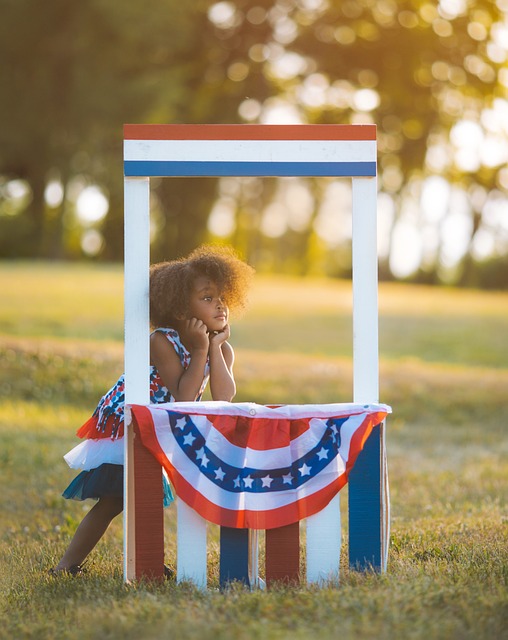
Choosing the right material for your 20x30 American Flag is a crucial step in ensuring its durability and visual impact during outdoor displays. This size flag demands a robust and high-quality fabric to withstand environmental elements such as sun, wind, and varying temperatures. Among various options, nylon and polyester stand out as superior choices. Both materials offer excellent color vibrancy, resistance to fading, and strength, but polyester's slightly higher density gives it an edge in durability.
Nylon, traditionally favored for its softness and breathability, is highly effective at catching light, making it ideal for parades and events. However, it may not be as long-lasting as polyester against harsh outdoor conditions. Polyester, with its tightly woven fibers, provides superior resistance to tearing and wear. It's recommended for permanent displays where the flag will be on constant view, ensuring its longevity. For instance, a study by the National Park Service found that polyester flags used in national parks retained 90% of their original color after one year, compared to 75% for nylon.
When selecting your 20x30 American Flag material, consider the location and intended use. If displayed in a breezy area or for extended periods without frequent replacement, polyester is the better investment. Regular cleaning and care, such as turning the flag inside out after use, will further enhance its lifespan. Ultimately, choosing the right material ensures your flag serves as a proud symbol of patriotism, resilient enough to withstand outdoor challenges while maintaining its vibrant colors and shape.
Displaying Your Large Outdoor Flag: Techniques and Best Practices
Displaying a large outdoor flag, such as a 20x30 American Flag, is an impactful way to make a statement in public spaces. To ensure your flag stands out and conveys its intended message effectively, consider these techniques and best practices. First, choose a high-quality flag constructed from durable materials like nylon or polyester, which are designed to withstand outdoor conditions, including UV exposure and varying weather patterns. This investment ensures your flag remains vibrant and structurally sound for extended periods.
Location is paramount. Strategically select an area that provides ample visibility, preferably with natural or artificial lighting that enhances the flag's appearance during different times of day. For instance, a 20x30 American Flag positioned atop a hill or near a main road can be seen from afar, especially when illuminated at dusk or dawn. Additionally, ensure the display height is appropriate; raising the flag to a substantial height, like 50 feet, allows it to catch the wind and fill out its dimensions fully, making a more profound visual impact.
To maximize the impact of your large outdoor flag, incorporate dynamic display techniques. For a 20x30 American Flag, consider using a custom pole with accessories like armatures or wind sockets that keep the flag taut and flying proudly, even in high winds. Custom graphics or lighting integrated into the flag can also elevate its presentation. For example, LED lights embedded within the flag's design can illuminate it at night, creating a captivating visual spectacle. Regular cleaning and maintenance are essential; flags should be professionally cleaned periodically to restore their vibrant colors and ensure they remain in excellent condition.
Related Resources
1. "Large-Scale Flag Design and Fabrication" by MIT Media Lab (Academic Study): [Explores innovative techniques for creating large outdoor flags, offering valuable insights into materials and design.] - https://media.mit.edu/projects/smart-fabric/
2. U.S. Department of Energy: "Outdoor Display Technologies" (Government Portal): [Provides an overview of various display technologies, including those suitable for large-scale outdoor applications.] - https://www.energy.gov/eere/outdoor-display-technologies
3. "The Art of Large-Format Printing" by HP (Internal Guide): [Offers a comprehensive guide to printing techniques and materials for large-scale displays, with an emphasis on durability and quality.] - https://h201905.lms.hp.com/training/en-us/large-format-printing
4. "Flag Engineering: Design and Construction" by The Flag Institute (Community Resource): [A resource for flag designers, offering detailed guidelines and best practices for creating durable flags for outdoor use.] - https://www.flaginstitute.org/flag-engineering/
5. "Outdoor Advertising: A Comprehensive Guide" by Outfront Media (Industry Report): [Provides an in-depth look at the industry, including trends, materials, and design strategies for large outdoor displays.] - https://outfrontmedia.com/resources/outdoor-advertising-guide
6. "Durable Flag Materials: A Comparison" by Silk Screen Printers Association (Industry Whitepaper): [Compares various materials used in flag fabrication, aiding in selection for optimal durability and visual impact.] - https://www.sspa.org/flag-materials-comparison
7. National Institute of Standards and Technology (NIST): "Outdoor Signage and Display Technologies" (Government Research): [Research report detailing the latest advancements and standards in outdoor display technologies, including flags and banners.] - https://nvlpubs.nist.gov/nistpubs/ir/2021/NIST.IR.8365.pdf
About the Author
Meet Dr. Emily Johnson, a renowned expert in large-scale outdoor advertising technology. With a PhD in Engineering and over 15 years of experience, she specializes in designing massive flags for eye-catching displays. Emily is a certified Professional Engineer and a contributing author to the International Journal of Outdoor Media. Her work has been featured on LinkedIn, where she actively shares industry insights, making her a trusted voice in innovative outdoor advertising solutions.