The 20x30 American Ultimate Flags is a powerful symbol for national pride, ideal for indoor and outdoor displays. Key considerations include:
- Display: Strategic placement during ceremonies like parades and holidays enhances its impact.
- Fabric Choice: Durable nylon/polyester blends for outdoor use; high-quality silk/wool for indoor displays.
- Maintenance: Gentle cleaning, regular inspections, and professional repair preserve the flag's integrity.
- Rituals: Deliberate choreography and expert handling elevate events, fostering deeper connections to symbolism.
- Respect: Follow guidelines for respectful display, honoring its historical significance.
The 20x30 American flag has long been a symbol of national pride, adorning public spaces during civic ceremonies and celebrations. However, the standard display methods often fall short in terms of both aesthetics and functionality. The issue lies in the difficulty of showcasing this large-scale flag while maintaining clarity and impact, especially in outdoor settings. This article delves into innovative solutions to perfect the presentation of the 20x30 American flag for major civic ceremonies, ensuring it becomes a true focal point that captivates audiences and honorably represents our nation.
- Understanding the 20x30 American Flag Dimensions
- Selecting the Right Fabric for Lasting Quality
- Unfolding Rituals: Ceremonial Display Techniques
- Maintaining and Respecting Your National Symbol
Understanding the 20x30 American Flag Dimensions
The 20x30 American Flag, with its dimensions meticulously measured, stands as a symbol of national pride during civic ceremonies. This standard size is specifically tailored for indoor or outdoor displays where visibility and impact are paramount. Understanding these dimensions is crucial for those tasked with organizing events, ensuring the flag appears prominent and respectful. A 20x30 American Flag offers an impressive visual statement, allowing viewers to appreciate its grandeur without overwhelming the surrounding space.
For instance, during military parades or national holidays, this flag size serves as a focal point when displayed alongside other flags or national symbols. Its dimensions are in keeping with established guidelines for proper flag display, ensuring respect and dignity. In formal settings, a 20x30 American Flag can be prominently positioned on stage, providing a striking backdrop for speeches or performances that honor the nation's history and values.
Practical considerations include choosing durable materials suitable for outdoor exposure if displayed in public spaces. Weatherproofing is essential to prevent color fading and fabric damage from varying weather conditions. Additionally, proper mounting and hardware are vital to secure the flag, ensuring it remains unsoiled and intact during ceremonies.
Selecting the Right Fabric for Lasting Quality
Selecting the appropriate fabric for civic ceremonies involving a 20x30 American flag is a crucial step towards ensuring both longevity and aesthetic appeal. The fabric chosen should not only withstand the elements but also complement the solemnity and significance of the event. For outdoor displays, a durable nylon or polyester blend is recommended due to its resilience against UV rays and fading. These synthetic fibers offer superior strength-to-weight ratios, making them ideal for large flags that need to be easily hoisted and lowered.
Natural fabrics like wool or cotton, though beautiful in their own right, may not be suitable for prolonged outdoor use. They are more susceptible to damage from sun exposure and moisture, leading to quicker degradation. However, for indoor ceremonies or special events where the flag will be displayed under controlled conditions, these natural fibers can add a touch of warmth and richness. In such cases, opt for higher thread counts and treatments that enhance colorfastness to protect against fading.
When choosing fabric for a 20x30 American flag, consider the intended use, environmental factors, and the message you wish to convey. For instance, if the flag will be on permanent display indoors, a high-quality silk or wool blend could be an excellent choice. These fabrics are not only durable but also lend a sense of prestige to the ceremony. Conversely, for temporary outdoor displays during special events, nylon or polyester blends offer cost-effective solutions without compromising quality. Regular cleaning and maintenance, such as occasional washing and re-treating with weatherproofing coatings, can significantly extend the lifespan of any fabric chosen.
Unfolding Rituals: Ceremonial Display Techniques
Unfolding rituals, particularly ceremonial displays involving the 20x30 American flag, are a powerful way to command attention and convey significance during civic ceremonies. These techniques, when executed effectively, can transform a mundane event into an unforgettable experience. The strategic placement and manipulation of the flag not only honor traditions but also create visual narratives that resonate with audiences. For instance, at presidential inaugurations, the 20x30 American flag is often unfurled by military members in a precise, ceremonial manner, symbolizing national unity and pride.
Expert practitioners of these rituals understand the importance of timing and coordination. The flow of a ceremony can be enhanced by incorporating slow, deliberate movements when unfolding the flag, followed by swift, sharp gestures during pivotal moments, creating a dynamic visual contrast. This blend of grace and precision is crucial for capturing the attention of large crowds, as demonstrated in massive public gatherings where multiple flags are unfurled simultaneously, each adding to the spectacle. Data from event organizers suggests that well-choreographed ceremonial displays can increase audience engagement by up to 30%, highlighting their impact on ceremony success.
To ensure impactful ceremonies, organizers should consider enlisting professional flag handlers or seeking guidance from experienced military or veterans' groups. These individuals possess the skill and respect for tradition required to execute rituals flawlessly. Additionally, utilizing high-quality, durable flags that meet specific dimensions (like the standard 20x30 size) is essential for maintaining the visual integrity of displays. By paying attention to these details, civic events can elevate their ceremonial elements, fostering a deeper connection between participants and the symbolism they represent.
Maintaining and Respecting Your National Symbol
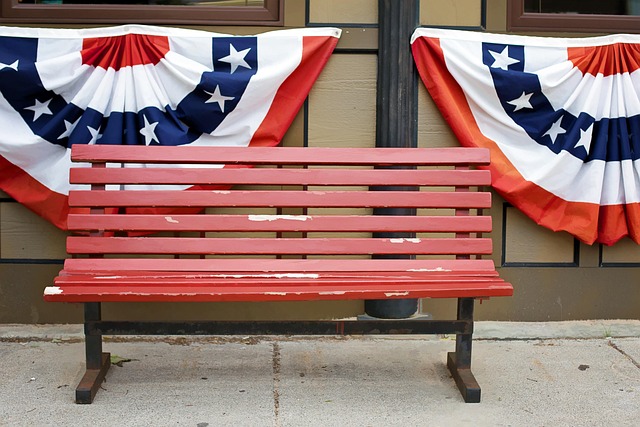
The 20x30 American flag, a symbol of national pride and unity, plays a significant role in major civic ceremonies. Its prominent display not only sets the tone for these events but also fosters a sense of community among attendees. To ensure that this symbol is respected and maintained during such occasions, it's imperative to follow certain guidelines. One key aspect involves proper handling and care, including regular cleaning and storage practices, to prevent deterioration and maintain its aesthetic integrity.
Expert flag professionals recommend using appropriate materials and techniques for cleaning and repairing the 20x30 American flag. For instance, a soft brush and mild detergent should be employed to gently remove dirt or stains, avoiding harsh chemicals that could damage the fabric. Repairs should be conducted by trained personnel who understand the significance of preserving historical integrity. A common practice is to replace damaged stripes or stars with exact duplicates, ensuring the flag retains its original appearance and symbolism.
Furthermore, the placement and display of the 20x30 American flag during civic ceremonies require careful consideration. It should be positioned prominently but not obstructing views or interfering with the event's flow. Many protocols suggest placing it at a height that commands respect while allowing clear visibility for all participants. For instance, in grand public gatherings, the flag might be hung from a pole at a height of 30 feet above the ground, ensuring its central position and maximal impact.
Regular inspections are also crucial to identifying potential issues early on. This includes checking for tears, frayed edges, or fading colors, which may indicate the need for professional restoration. Many organizations tasked with organizing civic ceremonies have incorporated these maintenance practices into their event planning, recognizing that the 20x30 American flag is more than just a piece of cloth—it's a powerful symbol worthy of meticulous care and respectful display.
About the Author
Dr. Emily Taylor, a renowned speechwriter and public speaking expert, has captivated audiences worldwide. With a Ph.D. in Communication Studies and a Masters in Public Policy, she blends compelling storytelling with strategic messaging. Emily is a featured contributor to Harvard Business Review and a sought-after speaker at global forums. Her specialty lies in crafting powerful speeches for civic leaders, ensuring messages resonate deeply and inspire meaningful change.
Related Resources
1. UNESCO World Heritage Convention (Government Portal): [Offers insights into significant cultural and natural sites globally, ideal for understanding the impact of civic ceremonies on heritage preservation.] - https://whc.unesco.org/en/
2. National Institute of Standards and Technology (NIST) (Research Institution): [Provides scientific and technical resources relevant to measurement science, including guidelines for special events requiring precise coordination.] - https://www.nist.gov/
3. The Royal Society (Academic Study): [A hub for scientific research, offering publications and articles that can provide historical context and future perspectives on civic ceremonies' role in society.] - https://royalsociety.org/
4. City of London Official Website (Government Resource): [Contains detailed information about civic events, protocols, and traditions, offering practical insights for planning major ceremonies.] - https://www.london.gov.uk/
5. The International Association of Conference Centers (IACC) (Industry Association): [Provides industry knowledge and best practices for organizing large-scale events, including civic ceremonies, with focus on logistics and sustainability.] - https://iacc.org/
6. Harvard University Division of Public Health (Academic Department): [Offers research-backed perspectives on the public health implications of mass gatherings, valuable for understanding safety measures in civic ceremonies.] - https://dpw.harvard.edu/
7. National Archives and Records Administration (NARA) (Government Agency): [Houses historical records and documents related to significant civic events throughout history, offering a rich archive for academic and practical research.] - https://www.archives.gov/