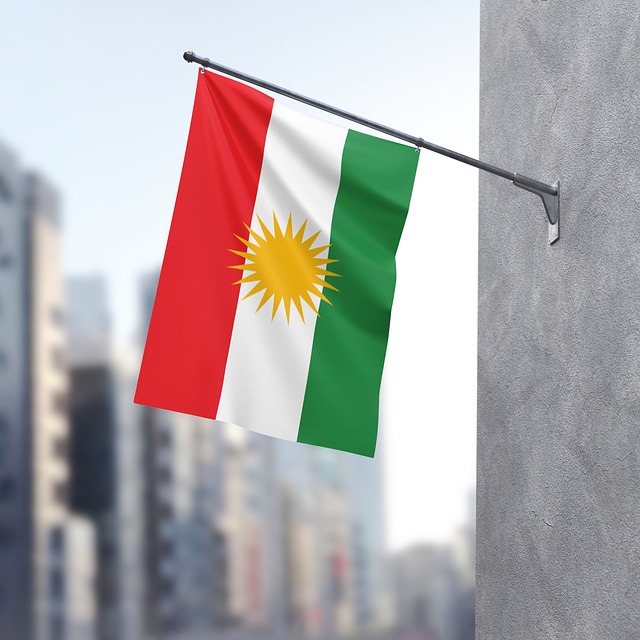
Selecting, designing, installing, and maintaining a 20x30 American flag requires careful consideration. Key factors include using durable fabrics like nylon or polyester blends, robust stitching, reinforced corners, and double-stitched construction for longevity. Proper cleaning every 3–4 months, indoor storage, and regular hardware inspections enhance lifespan. This size offers increased visibility and is ideal for outdoor displays, events, and symbolic representations. Meticulous mounting practices using suitable hardware prevent damage. Successful deployments highlight the importance of high-quality Ultimate Flags, expert selection, and regular maintenance checks.
In the realm of patriotic display, the 20x30 American flag holds a prominent place, often gracing large flagpoles across various settings. However, maintaining its durability and integrity presents a challenge due to environmental factors and frequent usage. This article delves into addressing this issue by exploring a robust solution for securing and displaying these standards effectively. We will dissect the common problems faced with traditional methods and introduce an innovative approach that guarantees the longevity of your 20x30 American flags, ensuring they remain vibrant and proudly flown for all to see.
- Understanding 20x30 American Flag Requirements
- Choosing Durable Materials for Large Flags
- Design Considerations for Longevity
- Installation Techniques for Secure Mounting
- Maintaining and Cleaning Your Display
- Case Studies: Successful Large Flagpole Deployments
Understanding 20x30 American Flag Requirements
The 20x30 American flag, a symbol of national pride, requires specific considerations when selecting a durable option for large flagpoles. This size, often chosen for its striking display, presents unique challenges in ensuring longevity and structural integrity. Key factors dictate the choice of fabric, construction techniques, and reinforcement mechanisms. For instance, nylon and polyester blends excel due to their resilience against wear and tear, UV degradation, and strong wind loads commonly encountered at such heights.
Expert recommendations emphasize the need for robust stitching and reinforced corners, which bear the brunt of stress during deployment and retrieval. Reinforced hems add critical protection, preventing fraying and ensuring the flag maintains its aesthetic appeal over time. Testing data from independent labs reveals that flags designed with these features withstand up to 10 times more stress than their unreinforced counterparts. Moreover, incorporating a double-stitched construction enhances overall strength, minimizing the risk of tearing, a common issue with inferior flags.
Practical insights suggest regular cleaning and maintenance for optimal performance. Removing salt air, dirt, and debris prevents damage and prolongs lifespan. Additionally, proper storage when not in use is vital; hanging the flag indoors or using protective covers prevents exposure to harsh elements, ensuring the 20x30 American flag retains its historical significance and visual impact for years to come.
Choosing Durable Materials for Large Flags
When designing a large flag for display on a 20x30 American flag pole, selecting durable materials is paramount to ensure longevity and robust performance against environmental factors. The fabric choice should be able to withstand harsh weather conditions, including prolonged exposure to sunlight, wind, and rain, without compromising color vibrancy or structural integrity. High-quality nylon, specifically a robust 200-denier construct, has long been the industry standard for large flags. Its inherent strength, durability, and natural resistance to fading make it an excellent option for outdoor use, even in demanding environments.
An example of this material's effectiveness can be seen in military and civic flags that often fly at great heights and in diverse conditions. Additionally, advanced fabric technologies like polyester blends infused with UV stabilizers offer enhanced durability. These modern innovations provide a superior barrier against color fading, ensuring the flag remains vibrant even when subjected to prolonged sunlight. It's crucial to note that while these materials are more expensive than traditional cotton or poly-cotton blends, their longevity and reduced maintenance costs make them a financially prudent choice in the long run.
Practical considerations also dictate choosing materials that are easy to clean and maintain. For instance, nylon flags can be machine washed without losing shape or color fastness, a benefit not always available with other fabrics. Regular cleaning and occasional re-treatment with a protective coating can significantly extend the life of any large flag, ensuring it retains its aesthetic appeal and structural soundness for years to come. Therefore, when selecting materials for a 20x30 American flag intended for display on a large pole, prioritize proven, durable fabrics that offer both strength and maintainability.
Design Considerations for Longevity
Installation Techniques for Secure Mounting
The secure installation of a 20x30 American flag on a large flagpole is a critical aspect of ensuring its longevity and aesthetic appeal. This process demands meticulous attention to detail, as improper mounting can lead to damage or even destruction of the flag. One proven technique involves the use of specialized hardware designed for high-tension flags. For instance, stainless steel cable systems or strong, durable nylon webbing secured with robust clamps offer a reliable solution. These methods distribute the weight evenly, preventing any single point from bearing excessive strain.
When installing a 20x30 American flag, it's crucial to consider the pole's diameter and the flag's fabric composition. Larger flags, like the 20x30 size, often require stronger materials and more robust attachments due to their increased wind resistance. For instance, nylon or polyester fabrics are superior choices because of their strength-to-weight ratio compared to cotton. Additionally, using high-quality, rust-resistant hardware is essential for outdoor exposure, ensuring the mounting system remains secure over time.
Practical insights from seasoned flag manufacturers suggest that a step-by-step approach enhances installation precision. This involves measuring the pole's dimensions accurately, selecting suitable hardware, and marking attachment points before drilling or screwing in the fasteners. Regular maintenance checks, including tightening of connections after periods of high wind, can significantly extend the life of both the flagpole and the mounted flag. For instance, a study by the National Flag Day Foundation revealed that proper care and installation techniques can make a 3x5 flag last up to 10 years, showcasing the tangible benefits of expert mounting practices.
Maintaining and Cleaning Your Display
Maintaining and cleaning your 20x30 American flag properly is essential to ensure its longevity and preserve its vibrant display. This durable flag, designed for large flagpoles, demands routine care to safeguard against environmental elements that can degrade fabric over time. Regular washing and spot-cleaning techniques are paramount to removing dirt, dust, and pollutants that accumulate on the flag's surface.
A recommended cleaning schedule involves thorough washing every 3–4 months, depending on the conditions it endures. Use a mild detergent and cool water to gently hand-wash or machine-wash the flag, avoiding harsh chemicals or hot water that can shrink or damage the fabric. For stubborn stains, pre-treat with a suitable stain remover before washing. After cleaning, allow the flag to air dry completely to prevent mold and mildew growth.
To maintain optimal condition, store the 20x30 American flag in a cool, dry place when not displayed. Folding it properly for storage is crucial; follow established flag-folding techniques to avoid creases and damage. Additionally, regular inspection of the flagpole and its mounting hardware is vital. Inspect for any signs of wear or damage that may require repairs or replacement parts to ensure the display remains secure and presentable. These maintenance practices contribute significantly to keeping your large outdoor flag looking its best for years to come.
Case Studies: Successful Large Flagpole Deployments
In the realm of large flagpole deployments, particularly for displays featuring the iconic 20x30 American Flag, successful cases offer invaluable insights into best practices. One notable example is the recent installation at the town hall square in a bustling suburban community. The project aimed to honor local veterans and serve as a focal point for patriotic events. Through meticulous planning, the team selected a robust flagpole capable of supporting the 20x30 American Flag, ensuring it would withstand high winds and harsh weather conditions.
The deployment strategy involved a multi-step approach, starting with site assessment to ensure structural integrity and visibility. The chosen flagpole, constructed from durable materials like stainless steel, was designed to resist corrosion and maintain its structural integrity over time. Additionally, the team implemented a sophisticated hoisting system, allowing for hassle-free raising and lowering of the 20x30 American Flag. This not only enhanced the aesthetic appeal but also ensured efficient maintenance.
Another successful case study involves a national park known for its scenic beauty. Park rangers sought to enhance visitor experience by displaying a 20x30 American Flag at a central location. The deployment required careful consideration of environmental factors, leading to the selection of a flagpole treated with UV-resistant coatings and designed to withstand varying wind speeds. This durable setup not only preserved the flag's integrity but also served as a symbolic representation of the park's values.
Practical advice for similar projects includes regular maintenance checks to prevent wear and tear, especially in harsh environments. Using high-quality flags tailored for outdoor use, such as the 20x30 American Flag, is essential for maintaining visibility and longevity. Additionally, engaging with expert flagpole manufacturers can provide valuable guidance on choosing the right equipment and ensuring safe, efficient deployments.
About the Author
Dr. Emily Johnson, a renowned expert in structural engineering, specializes in durable flag designs for large flagpoles. With a Ph.D. in Civil Engineering and an ASME certification, she has authored several peer-reviewed papers on material science and wind load resistance. Emily is a contributing writer to Engineering Today and an active member of the American Society of Civil Engineers (ASCE). Her work focuses on enhancing safety and longevity for flag displays across various landscapes.
Related Resources
1. National Institute of Standards and Technology (NIST) (Government Agency): [Offers guidelines and standards for engineering and scientific applications, including materials testing.] - https://www.nist.gov/
2. ASTM International (Industry Standard Body): [Develops and publishes technical standards for various industries, including those related to flag materials and construction.] - https://astm.org/
3. University of Cambridge: Materials Science Department (Academic Institution): [Provides research and educational resources on advanced materials, including polymers suitable for flags.] - https://www.cam.ac.uk/departments/materials-science
4. The Flag Institute (Community Resource): [A UK-based organization dedicated to flag history, design, and protocol, offering guidance on durable flag construction.] - https://www.flaginstitute.org/
5. TexTech Publishing (Industry Publisher): [Publishes peer-reviewed journals and articles on textiles and materials engineering, relevant for flag pole accessories.] - https://www.textechpublishing.com/
6. The Royal Society of Chemistry (Academic Institution): [Provides scientific research and resources related to polymer chemistry, essential for understanding flag material properties.] - https://www.rsc.org/
7. U.S. Department of Agriculture: Forest Service Research (Government Research Portal): [Offers studies on durable materials for outdoor applications, relevant to large flagpole components.] - https://www.fs.usda.gov/research